Short answer: for blocking a partner's snoring, soft foam earplugs with a high Noise Reduction Rating (NRR 29–33) block the most sound. Moldable silicone or wax plugs are more comfortable for side sleepers and are reusable, but they block less. No earplug fully silences loud snoring. Pairing earplugs with white noise works better, and the snorer may need treatment.
- Our Earplug Picks for Snoring
- How to Choose Earplugs for Snoring
- How Effective Are Earplugs Against Snoring?
- Sleeping With a Snorer: What Works Best
- Treating Snoring: Why It Matters More Than Blocking It Out
Why a Partner's Snoring Is So Hard to Sleep Through
Is your partner's snoring keeping you awake? You're not alone. Light sleepers can be woken by soft snoring or even heavy breathing. Snoring also starts and stops at random, which makes it harder to tune out than a steady sound like a fan.
Snoring can be loud, too. In a sleep-lab study of 1,643 people who snore, average snoring intensity ranged from about 46 dB in people without sleep apnea to about 60 dB in people with severe apnea. The researchers called anything over 60 dB "severe" snoring. Peaks can be louder still.
| Earplug Type | Best For | Typical NRR | Notes |
|---|---|---|---|
| Foam | Maximum noise blocking | Up to 33 dB | Disposable; expands to seal the ear canal |
| Silicone (moldable) | Comfort, side sleepers, reuse | Usually lower than foam (about 20s) | Covers the ear opening rather than going inside |
| Wax | Sensitive ears | Usually lower than foam | Soft; forms a custom seal |
| Reusable flanged | Frequent nightly use | Varies by model | Washable; consistent fit |
Check the NRR printed on each package. U.S. hearing protectors must carry an EPA noise-reduction label.
Our Earplug Picks for Snoring
Earplugs are a cheap, simple way to block sleep-disrupting sounds, from snoring to traffic. These are the three types we recommend for sleeping next to a snorer.
Foam: Best for Blocking the Most Snoring
Foam earplugs are the go-to for snoring. They're made from soft foam that you roll thin, insert, and let expand to seal the ear canal. Foam has the highest noise reduction ratings, and the plugs are cheap enough to replace often.

Price: $8.89
Check Latest Price For: Foam Ear Plugs
Silicone: Best for Side Sleepers
Moldable silicone earplugs press over the entrance of the ear instead of going deep inside. That makes them comfortable when your ear is on the pillow. They're water-resistant and reusable, but they usually block less sound than a well-fitted foam plug.

Price: $13.99
Check Latest Price For: Silicone Ear Plugs
Wax: Best for Sensitive Ears
Wax earplugs warm up and mold to the shape of your outer ear canal for a soft, snug seal. They suit people who find foam itchy or too much pressure. They're a good fit for light-to-moderate snoring.
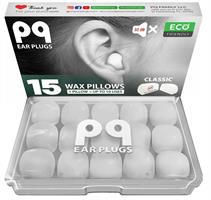
Price: $9.89
Check Latest Price For: Wax Ear Plugs
Prices as last listed; check the current price.
How to Choose Earplugs for Snoring
When you're trying to sleep through a partner's snoring, three things matter most. How much noise does the earplug block? Is it comfortable all night? Does it stay put while you sleep?
Noise Reduction Rating (NRR)
The NRR is the number of decibels an earplug blocks in lab testing. The highest NRR on the U.S. market is 33. Real-world protection is usually much lower, because few people get a perfect fit. OSHA's rule of thumb is to subtract 7 from the NRR and then halve it. By that estimate, an NRR 33 foam plug cuts about 13 dB at home. For snoring, choose the highest NRR you find comfortable, usually foam rated 29–33.

Comfort for Side Sleepers
If you sleep on your side, a long or firm earplug can press painfully into your ear against the pillow. Soft, low-profile foam plugs or moldable silicone are the most comfortable. You can also cut a foam plug shorter so it sits flush.
Reusable vs. Disposable
Disposable foam earplugs are cheap and hygienic because you can use a fresh pair often. They lose their shape over time, so replace them regularly. Reusable silicone, wax and flanged earplugs cost more up front but last longer with cleaning.
Fit and Safety
A proper seal is what actually blocks the sound. Roll foam plugs thin, pull the top of your ear up and back, insert the plug, and hold it for 20–30 seconds while it expands. Don't push any earplug so deep that it's hard to remove. Wash your hands first, and replace or clean plugs often. Nightly use can push earwax deeper for some people. If you have ear pain, drainage, hearing changes or frequent ear infections, check with a doctor before using earplugs every night.
How Effective Are Earplugs Against Snoring?
Earplugs take the edge off snoring, but they rarely make it silent. Two things limit them:
- Fit. A plug that is not fully sealed loses much of its rated protection.
- Bone conduction. Some sound reaches your inner ear through the bones of your skull, around the earplug. Very loud snoring can still get through even with a perfect seal.
That's why earplugs work best against mild-to-moderate snoring. Combine them with sound masking, or treat the snoring itself.
Sleeping With a Snorer: What Works Best
- Use high-NRR foam earplugs, fitted properly. This is the biggest single step.
- Add steady background sound. A fan or white noise machine masks the start-stop pattern that wakes you. Earplugs plus white noise usually beats either alone.
- Go to sleep first. Snoring is less likely to wake you once you're in deeper sleep.
- Change the snorer's position. Snoring is often worse on the back, so side sleeping can help. See the best sleeping position to stop snoring.
- Consider sleep headphones. Comfortable sleep earbuds can play masking sound. See how to block out snoring without earplugs if plugs bother your ears.
Treating Snoring: Why It Matters More Than Blocking It Out
Blocking the sound helps you sleep. It does nothing for the person snoring. Loud, nightly snoring, especially with gasping, choking or pauses in breathing, can be a sign of obstructive sleep apnea. That condition is linked to high blood pressure and heart disease, and it should be checked by a doctor.
For simple snoring, a mandibular advancement device (an anti-snoring mouthpiece) holds the lower jaw slightly forward to keep the airway open. Treating the cause can mean neither of you needs earplugs.

Frequently Asked Questions
What earplugs block snoring the best?
Well-fitted foam earplugs with an NRR of 29–33 block the most snoring. Silicone and wax are more comfortable for some people but usually block less.
What are the best earplugs for sleeping with a snorer?
For most people, soft foam earplugs combined with a white noise machine or fan. Side sleepers who find foam uncomfortable can try moldable silicone.
Can earplugs block snoring completely?
Rarely. Even a perfect seal lets some sound through your skull bones, and real-world protection is lower than the label. Expect a big reduction, not silence.
Is it safe to wear earplugs every night?
For most people, yes, if you keep them clean, replace foam plugs often and don't insert them too deeply. Nightly use can contribute to earwax buildup or ear-canal irritation in some people. See a doctor if you get pain, itching, discharge or muffled hearing that doesn't clear.
Are noise-cancelling earbuds better than earplugs for snoring?
Not usually. Active noise cancelling works best on steady, low-pitched sound and less well on irregular snoring. Sleep earbuds that play masking sound can help, and some people use them instead of plugs.
This article is general information, not medical advice. If you or your partner snore loudly every night or stop breathing during sleep, talk to a doctor.
Sources
- Maimon N, Hanly PJ. Does snoring intensity correlate with the severity of obstructive sleep apnea? Journal of Clinical Sleep Medicine, 2010. https://pmc.ncbi.nlm.nih.gov/articles/PMC2952752/
- OSHA Technical Manual, Section III, Chapter 5: Noise (hearing protector attenuation, NRR derating). https://www.osha.gov/otm/section-3-health-hazards/chapter-5
- U.S. EPA noise labeling requirements for hearing protectors, 40 CFR Part 211 Subpart B. https://www.ecfr.gov/current/title-40/chapter-I/subchapter-G/part-211/subpart-B
- Snoring (Mayo Clinic). https://www.mayoclinic.org/diseases-conditions/snoring/symptoms-causes/syc-20377694