An overnight pulse oximeter records your blood oxygen (SpO2) and pulse while you sleep, so you can see how often and how far your oxygen dips. It is a useful screening tool if you snore, think you might have sleep apnea, or want to check whether a treatment is working.
The right device depends on how you sleep. A side sleeper needs a sensor that stays on. A light sleeper wants a vibration alert instead of a loud beep. A traveler wants something small that records without a phone. Below are our picks, then a use-case guide that matches each need to a device.
This guide is for general information, not medical advice. A home oximeter cannot diagnose sleep apnea. If your readings are low or you have symptoms, talk to a doctor.
Our Top Overnight Pulse Oximeter Picks for 2026
- Best Overall: EMAY SleepO2 Wrist Sleep Oxygen Monitor
- Best for Side Sleepers and Quiet Alerts: Wellue O2Ring
- Best Programmable Alarm and Longest Memory: EMAY EMO-90 Sleep Oxygen Monitor
- Best Budget Fingertip Device: EMAY EMO-80 Sleep Oxygen Monitor
- Most Advanced At-Home Monitoring: EMAY SleepO2 Pro Sleep Apnea Monitor
| Device | Best For | Form | Power | Alerts | List Price* |
|---|---|---|---|---|---|
| SleepO2 Wrist | Best overall | Wrist unit + soft finger probe | Rechargeable, about 10 hours | View live in app | $99 |
| Wellue O2Ring | Side sleepers, light sleepers, travel | Ring on the finger | Rechargeable, 12–16 hours (maker spec) | Adjustable vibration | Check price |
| EMO-90 | Programmable alarm, long recording | Fingertip | Rechargeable | Audio alarm, threshold set on device | $99 |
| EMO-80 | Tight budget | Fingertip | Replaceable batteries | None (record and sync) | $59 |
| SleepO2 Pro | Detailed data for your doctor | Wrist unit + finger sensor + nasal tube | Rechargeable | Reports in PC software | $199 |
*Manufacturer list prices as of November 2026. Prices change often; check the current price.
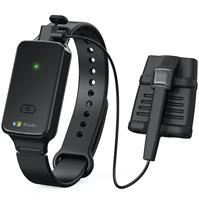
Best Overall: EMAY SleepO2 Wrist Sleep Oxygen Monitor
Price: $99.00
Check Latest Price for: SleepO2
Video
Specifications
- Brand: EMAY
- Design: small wrist unit with a soft silicone finger probe
- Weight: about 20 grams
- Battery: rechargeable, about 10 hours of continuous recording (maker spec)
- Memory: built-in, so it records all night without your phone nearby
- App: iOS/Android app to view live readings, review the night and share a report
Pros
- Continuous SpO2 and pulse recording all night
- Wrist-mounted unit keeps weight off the fingertip
- Records on its own; sync in the morning
- Summary report you can share with your doctor
Cons
- About 10 hours of battery, so charge it every day if you use it nightly
- Bluetooth sync can take some setup (EMAY says to remove your finger from the probe before syncing)
Overview
The SleepO2 Wrist Sleep Oxygen Monitor is our best all-round pick. The wrist unit holds the electronics, and only a light, soft probe sits on your finger, which helps it stay comfortable and in place through the night. You can check live readings in the app or just let it record and sync in the morning.
Rating
- Price: 4.5/5
- Design: 4.5/5
- Accuracy: 4/5
- Ease of Use: 4/5
Best for Side Sleepers and Quiet Alerts: Wellue O2Ring
Price: varies; check the current price
Check Latest Price for: Wellue O2Ring
Specifications (maker specs)
- Design: ring-style sensor worn on the finger, no wrist unit or cable
- Battery: rechargeable, about 12–16 hours of typical use
- Memory: up to 4 sessions of up to 10 hours each
- Alerts: vibration with adjustable strength when oxygen or pulse crosses your set limit
- App: syncs by Bluetooth to an iOS/Android app with a PDF report
Pros
- Ring form factor tends to stay put when you sleep on your side or move a lot
- Vibration alert wakes you without waking a partner
- Small and rechargeable, easy to pack for travel
- Stores several nights before you need to sync
Cons
- Ring sizing does not suit every finger
- Wellue describes it as "FDA registered." Registration is not the same as FDA clearance, so do not treat it as a medical-grade monitor
Overview
If you sleep on your side, toss and turn, or share a bed with a light sleeper, the Wellue O2Ring is the easiest fit. There is no clip to slip off and no beeping alarm. Its alert is a vibration you can turn up or down. It is also one of the most compact options for travel.
Best Programmable Alarm and Longest Memory: EMAY EMO-90
Price: $99.00
Check Latest Price for: EMO-90
Specifications (maker specs)
- Design: fingertip oximeter with two modes, spot check and continuous tracking
- Memory: 72 hours built in, so it can hold several nights
- Alarm: audio alarm when oxygen or heart rate drops below your threshold
- Settings: alarm threshold, mode and memory clearing can be set on the device itself, no app needed
- Software: iOS/Android app and PC software, CSV export and an oxygen report that includes ODI
- Power: rechargeable, no AAA batteries
Pros
- True programmable alarm that you set on the device
- Longest built-in memory of the EMAY fingertip models
- Works as a daytime spot-check oximeter too
Cons
- The alarm is audible, so it can wake a partner
- A fingertip clip is more likely to shift than a ring or wrist unit
Overview
Choose the EMO-90 if you want to set your own alarm threshold or record several nights before syncing. It replaces the EMO-60, which EMAY no longer sells.
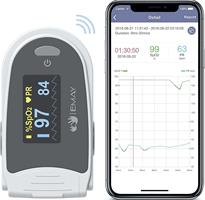
Best Budget Fingertip Device: EMAY EMO-80 Sleep Oxygen Monitor
Price: $59.00
Check Latest Price for: EMO-80
Video
Specifications
- Brand: EMAY
- Memory: 40 hours built in
- Display: large rotating LCD
- Power: replaceable batteries
- App: free iOS/Android app for second-by-second review and report export
Pros
- Lowest price of our picks
- Record first, sync later; no phone needed overnight
- Easy-to-read display for daytime spot checks
Cons
- No alarm
- EMAY labels it for sports and aviation use only, not for medical or diagnostic purposes
Overview
The EMO-80 is the simplest way to get an overnight oxygen trend on a budget. Clip it on, sleep, and sync in the morning.
Rating
- Price: 4.5/5
- Design: 4.5/5
- Accuracy: 4/5
- Ease of Use: 4/5
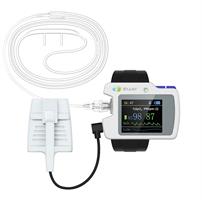
Most Advanced At-Home Monitoring: EMAY SleepO2 Pro
Price: $199.00
Check Latest Price for: SleepO2 Pro
Video
Specifications
- Wrist-worn unit recording SpO2, heart rate and nasal airflow
- Soft silicone O2 sensor for overnight wear
- Soft-touch nasal tube for flow monitoring
- Free PC software (Windows only) with AHI and ODI reports you can export as PDF
- Rechargeable, with large data storage
- Includes device, oxygen sensor, two nasal tubes, USB cable, power adapter and manual
What Buyers Report
Amazon buyers have praised the easy-to-read reports. Some also found it oversensitive, flagging breathing events while they were awake. Treat its event counts as a prompt to talk to your doctor, not as a diagnosis.
Pros
- Adds nasal airflow, so it can estimate breathing events, not just oxygen dips
- Detailed PC reports to share with your doctor
- Comfortable sensor for overnight wear
Cons
- Can overcount events
- Windows PC needed for analysis
- The nasal tube may not work well with CPAP masks
Rating
- Price: 4/5
- Design: 4.5/5
- Accuracy: 4/5
- Ease of Use: 4/5
How to Choose an Overnight Pulse Oximeter by Use Case

Best pulse oximeter for side sleepers and back sleepers
Side sleepers often press a hand under the pillow or curl their fingers, which can pull a fingertip clip loose and leave gaps in the data. A ring sensor (Wellue O2Ring) or a wrist unit with a soft probe (SleepO2) stays on better. Back sleepers have more choice. Back sleeping also tends to make snoring and apnea worse, so it is a good night to record.
Best quiet or noise-free pulse oximeter for light sleepers
An audio alarm can wake you and your partner. If you only want a record of the night, pick a device with no alarm or one you can switch off. If you want an alert, a vibration alert like the O2Ring's is the quietest option.
Best travel-friendly pulse oximeter
For travel, backpacking or a small apartment, look for three things. It should be small, rechargeable by USB, and able to record without a phone. The O2Ring and SleepO2 both fit. Pack a short charging cable, and remember that oxygen readings naturally run lower at high altitude.
Best programmable pulse oximeter
"Programmable" usually means you can set the SpO2 and pulse levels that trigger an alert. The EMO-90 lets you set the threshold on the device itself. The O2Ring sets it in the app. Ask your doctor what threshold makes sense for you.
Longest-lasting pulse oximeter (battery and memory)
Two numbers matter. Battery hours must cover your whole night, so 10 hours or more is ideal. Memory decides how many nights you can record before syncing. The EMO-90 holds 72 hours, and the O2Ring holds 4 sessions of up to 10 hours. Battery life also shrinks as the battery ages.
Wrist vs. ring vs. fingertip
| Type | Comfort overnight | Stays on | Good for |
|---|---|---|---|
| Ring | High | Good | Side sleepers, travel |
| Wrist unit + soft probe | High | Good | Nightly use |
| Fingertip clip | Fair | Can slip | Budget, daytime spot checks |
How Accurate Are Home Pulse Oximeters?
The FDA says many factors can affect a reading, including poor circulation, skin pigmentation, skin thickness, skin temperature, tobacco use and nail polish. For accurate readings, remove nail polish, keep your hand warm and make sure the sensor fits snugly.
Most oximeters sold online for "wellness" or "sports and aviation" use have not been reviewed by the FDA for medical use. In January 2025 the FDA issued draft guidance asking makers of medical-grade oximeters to test across more skin tones. As of November 2026 that guidance is still a draft. Use a home device to spot trends, and confirm anything worrying with your doctor.
What Your Overnight Readings Mean

In healthy adults, oxygen usually stays around 95–100% during sleep, with brief dips. How low it goes and how long it stays there matters more than any single number. Our guide to dangerously low oxygen levels while sleeping explains each range. To read ODI, nadir and T90 on your report, see overnight pulse oximetry for sleep apnea. If your daytime readings are also low, read can sleep apnea cause low oxygen during the day?
Snoring and Sleep Apnea Monitoring with a Pulse Oximeter
Sleep apnea causes repeated pauses in breathing, and those pauses often show up as a "sawtooth" pattern of short oxygen dips. An overnight oximeter can show that pattern. It cannot tell obstructive from central apnea, and it can miss events that do not drop oxygen much. That is why a sleep study is still needed for a diagnosis.
An oximeter is also a simple way to check a treatment. Record a few nights before and after you start using an anti-snoring mouthpiece such as SnoreRx Plus, a new sleep position or CPAP. Then share the trend with your doctor. Oral appliances are a treatment option for snoring and some cases of sleep apnea, but get evaluated first so a mouthpiece does not mask untreated apnea.
EMAY Discounts
Snoring Hub has partnered with EMAY to offer you 20% off.
Use code: TH31F230YT3W to get your discount.
Frequently Asked Questions
What is the best pulse oximeter for side sleepers?
A ring-style oximeter such as the Wellue O2Ring, or a wrist unit with a soft finger probe such as the EMAY SleepO2. Both stay on better than a fingertip clip when you lie on your hand.
Is there a quiet pulse oximeter that won't wake my partner?
Yes. Choose a model with a vibration alert (the O2Ring) or one with no alarm that simply records (the EMO-80 or SleepO2).
Is a pulse oximeter accurate when sleeping?
It is good enough to show trends and repeated dips, but readings can be thrown off by movement, cold hands, nail polish, poor fit and skin pigmentation. It screens for possible problems. It does not diagnose them.
What is a normal overnight pulse oximeter reading?
For most healthy adults, SpO2 stays around 95–100% during sleep, with brief dips. Repeated or long drops below 90%, or any time at 88% or lower, are worth discussing with a doctor. See our oxygen levels while sleeping guide.
Can a pulse oximeter diagnose sleep apnea?
No. It can suggest sleep apnea, but diagnosis needs a home sleep apnea test or an in-lab sleep study ordered by a clinician.
How much do overnight pulse oximeters cost?
Our picks range from about $59 to $199 at list price. Devices that add airflow sensing or multi-night memory cost more.
Do I need a prescription for a pulse oximeter?
No. Over-the-counter oximeters can be bought without a prescription. Medical-grade, FDA-cleared devices may be supplied through your doctor or a medical equipment provider.
Not medical advice. If you have chest pain, severe shortness of breath, confusion or blue lips, seek emergency care. Do not wait on a home reading.
References
- Pulse Oximeters (U.S. Food and Drug Administration). https://www.fda.gov/medical-devices/products-and-medical-procedures/pulse-oximeters
- FDA Proposes Updated Recommendations to Help Improve Performance of Pulse Oximeters Across Skin Tones (FDA, January 2025). https://www.fda.gov/news-events/press-announcements/fda-proposes-updated-recommendations-help-improve-performance-pulse-oximeters-across-skin-tones
- Pulse Oximetry (MedlinePlus, U.S. National Library of Medicine). https://medlineplus.gov/lab-tests/pulse-oximetry/
- The uses of overnight pulse oximetry. https://www.ncbi.nlm.nih.gov/pmc/articles/PMC7065557/
- Overnight pulse oximetry for obstructive sleep apnea screening among patients with snoring in primary care setting: Clinical case report. https://www.ncbi.nlm.nih.gov/pmc/articles/PMC6259496/
- Accuracy of overnight pulse oximetry in diagnosing moderate to severe obstructive sleep apnoea. https://erj.ersjournals.com/content/48/suppl_60/OA4794
- Product specs from the manufacturers (EMAY, Wellue), checked November 2026.